AdThis guide contains affiliate links. If you buy through one, we may earn a commission. It never decides what we pick.
What is sensory overload? Causes, signs and practical steps
Last checked 26 October 2026. Written by the Divergent Products team, reviewed by Louise and Sam. How we pick.
What is sensory overload?
Sensory overload is when someone takes in more sensory information than they can process, from sound, light, smell, touch or taste. The National Autistic Society says it is not a clinical term; autistic people use it for overwhelm and distress. Tiredness, stress and masking make it more likely, and a sensory diary can help you spot triggers.
If you only read this bit
- Over-ear defenders for adults on a small budgetVanderfields Adult Ear Defenders (Army Green)See it at Amazon
- Showing staff you may need more timeTriple Breakaway Lanyard with ID Card & CoverSee it at Hidden Disabilities Sunflower
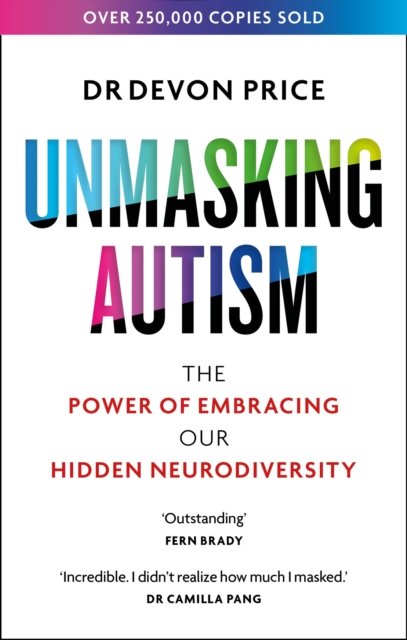
- Reading about masking, which can make overload more likelyUnmasking AutismSee it at Bookshop.org
Affiliate links. Prices change, so check the listing.

All 3 picks, in order
-
Best for: Over-ear defenders for adults on a small budget
Vanderfields Adult Ear Defenders (Army Green)
By Vanderfields, sold by Amazon
Sold for adults and teens, with soft ear cushions and an adjustable headband; the Amazon title quotes 35dB at 2kHz. The NHS advises against wearing earmuffs or earplugs constantly, and the National Autistic Society says heavy use may increase sensitivity.
See priceat AmazonSee it at AmazonAffiliate link -
Best for: Showing staff you may need more time
Triple Breakaway Lanyard with ID Card & Cover
By Hidden Disabilities Sunflower, sold by Hidden Disabilities Sunflower
The official Hidden Disabilities Sunflower lanyard with ID card and cover, about £6. The Sunflower says you do not need proof to wear it, and it is not a legal credential or a way to skip queues.
Affiliate link -
Best for: Reading about masking, which can make overload more likely
Unmasking Autism
By Devon Price, sold by Bookshop.org
By Devon Price, an autistic psychologist, on why many autistic people hide their traits and what that costs. Listed at about £12.34 on Bookshop.org UK; it is a book about masking, not a guide to sensory overload.
£12.34See it at Bookshop.orgAffiliate link
What is sensory overload?
Sensory overload is what people call it when they take in more sensory information than they can process. The National Autistic Society (NAS) says it is not a clinical term. Autistic people use it to describe overwhelm and distress caused by sensitivity to particular triggers, and it can be set off by one sense alone.
The NAS explains sensory processing as how the brain interprets what the senses take in. That covers the five main senses, plus balance and movement, body position, and internal signals such as hunger, temperature or needing the toilet. It says sensory differences happen in the brain, not as a problem with the eyes, ears or other organs.
We have not experienced or tested anything for this guide. Everything here comes from the NAS and NHS pages in the sources list, checked on 26 October 2026, and it is information, not medical advice.
Who experiences sensory differences?
The NAS says research suggests between 53% and 95% of autistic people have sensory processing differences, and that the exact number is not known. The NHS page on signs of autism in adults describes being very sensitive, or not sensitive at all, to light, sounds, smells, tastes or textures.
The NAS separates two patterns. With hyper-sensitivity you may be much more sensitive than others, and avoid or be distressed by too much input. With hypo-sensitivity you may be much less sensitive, might not notice input, may seek out stronger experiences, and can be bored or distressed when input is too low. Many people have both, across different senses or within the same one, and the NAS says sensitivity can shift with health and environment over time.
Every source we read for this guide is about autistic people. We did not find an official source on sensory overload in other groups, so this page makes no claim about them.
What makes sensory overload more likely?
The NAS lists tiredness or low energy as the first of several things that make overload more likely. The others it names are:
- the end of a day, week or term
- neglected self-care
- not eating properly
- masking for too long
- poor physical health
- stress, anxiety or other mental health problems
This matters because a place that is fine on Tuesday morning can be too much on Friday evening, with nothing in the room changed. The NAS also notes that avoiding a trigger is different from simply disliking something.
What are the signs of sensory overload?
The NAS lists not speaking, seeming withdrawn, difficulty focusing, stimming, over-excitement, pacing or rocking, heightened sensitivity, and strong emotional or physical reactions. The list covers a wide range, and not everyone shows the same signs.
If you are supporting someone, the NAS suggests learning their sensory profile, their triggers and their early warning signs, and says not to judge their sensory needs or the tools they use.
What practical steps do people take?
The NAS lists things autistic people do for themselves, and things others can do for them. This is what it says, not a prescription.
For yourself, the NAS suggests:
- keeping a sensory diary to spot triggers, sensitivities, energy patterns and what helps during and after overload
- using sensory tools; its examples include ear defenders or noise-cancelling headphones, tinted glasses, fidget toys, and weighted blankets or vests
- keeping a sensory kit or box of items you rely on
For someone else, during overload the NAS suggests removing triggers where possible, or moving the person somewhere quieter, keeping speech and information to a minimum, not stopping stimming unless there is a risk of harm, being careful with touch, and allowing time and space to recover. In general it advises reducing triggers or adapting the environment, providing a safe, quiet space, and explaining what to expect before visiting busy places.
We cover specific kit in the earplug, ear defender and light guides linked below. Nothing here says any product stops overload.
When should you see a professional?
The NAS recommends an occupational therapist (OT) assessment before any sensory therapy, especially if differences are constant and affect daily life. It says waiting times and costs can be barriers, and that the evidence for sensory therapies is mixed, so any intervention should centre the autistic person's needs and be monitored. For weighted blankets or vests it also recommends an OT assessment.
If sounds in particular are painful, the NHS page on hyperacusis is the place to start. It describes ordinary sounds seeming much louder than they should and sometimes painful. It is a separate matter from overload as the NAS describes it.
Things to know
- Constant ear protection can backfire. The NAS says heavy use of ear defenders or noise-cancelling headphones may increase sensitivity. The NHS advises against wearing earplugs or earmuffs constantly for hyperacusis, and against avoiding noise altogether, saying it may make sensitivity worse. The NHS says using them briefly in very loud settings can help.
- A card is not a pass. The Sunflower lanyard tells staff you may need more time. Hidden Disabilities Sunflower says you do not need proof to wear it, and it is not a legal credential or an exemption from queues or checks.
- Tools do different jobs. Ear defenders, tinted glasses and fidget toys address different senses, and the NAS describes sensitivities as varying person to person. Start from your own triggers, which is what the diary is for.
- Diagnosis is a separate route. If you wonder whether sensory differences are part of being autistic, the autism assessment guide on this site covers the NHS pathway.
Questions people ask
- Is sensory overload the same as a meltdown?
- The NAS page we read lists strong emotional or physical reactions among the possible signs of overload, but it does not define the two as the same thing. We have not tried to draw the line between them here.
- Can one sense cause it on its own?
- Yes. The NAS says overload can be triggered by one sense alone.
- Do only autistic people get sensory overload?
- Every source we read is about autistic people, and the NAS says autistic people use the term. We did not find an official source on how common it is in other groups, so we make no claim either way.
- What is a sensory diary?
- A record the NAS suggests keeping to spot triggers, sensitivities, energy patterns and what helps during and after overload. A notes app works as well as paper.
- Is hyperacusis the same thing?
- No. The NHS describes hyperacusis as ordinary sounds seeming much louder than they should, sometimes painfully, and it concerns sound only. Overload as the NAS describes it can involve any sense.
The Friday Find
One good find a week, by email, with the bit the listing leaves out.