AdThis guide contains affiliate links. If you buy through one, we may earn a commission. It never decides what we pick.
Books for parents of ADHD and autistic children: what to read, and what to know
Last checked 11 September 2026. Written by the Divergent Products team. How we pick.

What are the best books for parents of ADHD and autistic children?
The best books for parents of ADHD and autistic children start with Eliza Fricker's Can't Not Won't, an illustrated account of a family living through school avoidance, and Ross Greene's The Explosive Child, which swaps rewards and punishments for solving problems with your child. To read together, Kathy Hoopmann's All Dogs Have ADHD uses photos of dogs.
Our picks
-
Best for: Parents in the middle of school avoidance
Can't Not Won't
By Eliza Fricker (Jessica Kingsley Publishers), sold by Jessica Kingsley Publishers
An illustrated, darkly funny story of a family whose child cannot go to school, from an author who spent eight years navigating the system for her own daughter. About £14.99 and 160 pages; UK-based, so the school system is the one you are dealing with.
Affiliate link -
Best for: Frequent blow-ups where rewards and sanctions aren't working
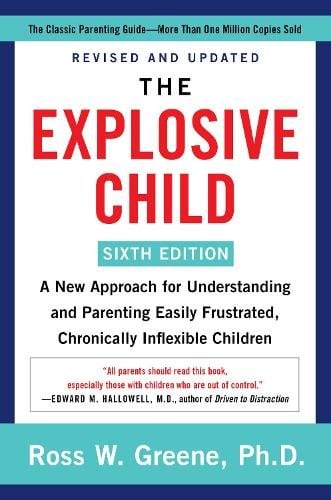
The Explosive Child (Sixth Edition)
By Ross W. Greene (HarperPaperbacks), sold by Bookshop.org
Ross Greene's Collaborative and Proactive Solutions model starts from the idea that kids do well if they can, and solves problems with the child. About £12.99; American, and written for easily frustrated children generally rather than ADHD or autism specifically.
£12.99See it at Bookshop.orgAffiliate link -
Best for: Reading with your child
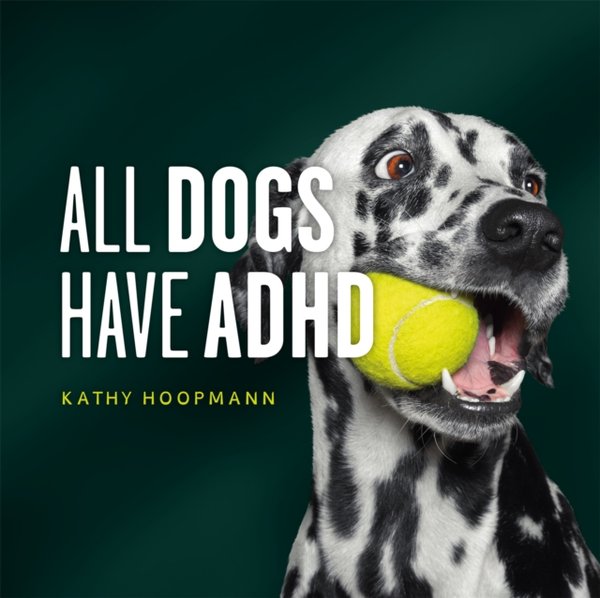
All Dogs Have ADHD
By Kathy Hoopmann (Jessica Kingsley Publishers), sold by Bookshop.org
Photographs of dogs acting out ADHD traits, in an 80-page hardback its publisher calls an affirming introduction. About £12.99; short and warm, so it opens a conversation rather than answering questions.
£12.99See it at Bookshop.orgAffiliate link -
Best for: Reading about autism with your child
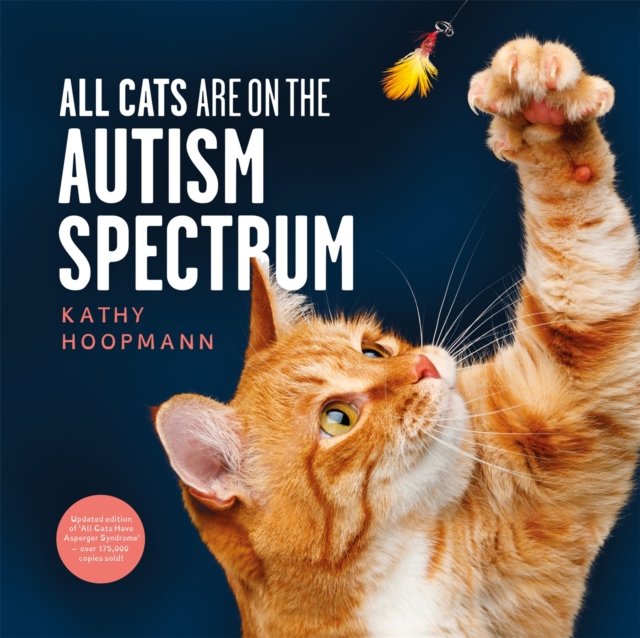
All Cats Are on the Autism Spectrum
By Kathy Hoopmann (Jessica Kingsley Publishers), sold by Bookshop.org
The companion to All Dogs Have ADHD: photographs of cats acting out autistic traits, from sensory likes and dislikes to strengths, in an 80-page hardback. About £12.99; like the dog book, it starts a conversation rather than going into depth.
£12.99See it at Bookshop.orgAffiliate link -
Best for: Family life when everyday demands are the flashpoint
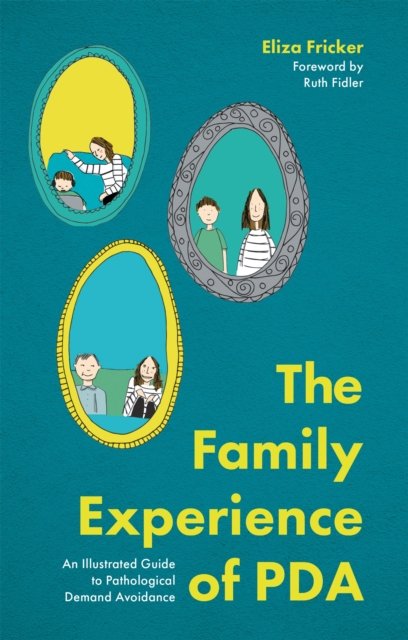
The Family Experience of PDA
By Eliza Fricker (Jessica Kingsley Publishers), sold by Bookshop.org
Eliza Fricker's illustrated guide to living with a child who has a PDA profile, 144 pages of anecdotes and practical ideas. About £14.99; PDA is not a standalone diagnosis, as the section below explains, so a professional may not use the term.
£14.99See it at Bookshop.orgAffiliate link -
Best for: Applying for an EHC plan
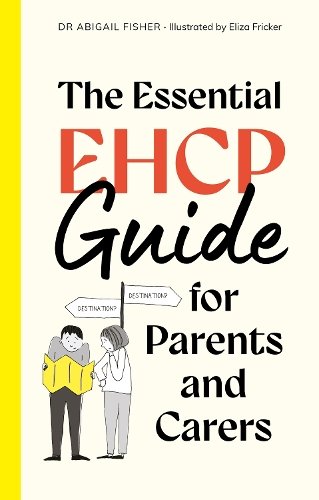
The Essential EHCP Guide for Parents and Carers
By Dr Abigail Fisher and Eliza Fricker (Jessica Kingsley Publishers), sold by Bookshop.org
Dr Abigail Fisher and Eliza Fricker walk through the Education, Health and Care Plan process from application onwards, with templates and parents' experiences. About £18.99 and 208 pages, published January 2026; a process book, so it sits alongside Can't Not Won't rather than replacing it.
£18.99See it at Bookshop.orgAffiliate link -
Best for: When school is not working at all
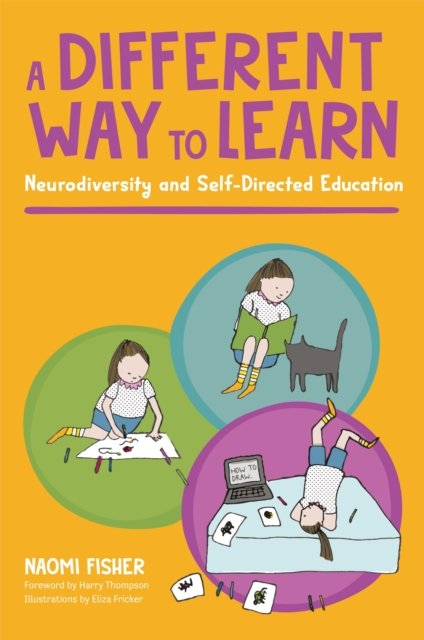
A Different Way to Learn
By Naomi Fisher (Jessica Kingsley Publishers), sold by Bookshop.org
Clinical psychologist Naomi Fisher on self-directed education for neurodivergent children, with interviews with parents. About £16.99; it is about learning outside the usual school model, so it suits families already questioning school.
£16.99See it at Bookshop.orgAffiliate link

What makes a good book for parents of ADHD and autistic children?
A good one helps you understand your child without trying to make them less like themselves, and gives you something to do on Monday. These are the things to weigh.
- Approach. We look for books that read a child's behaviour as information, not defiance, and we leave out books built on compliance training. Greene's model starts from the idea that kids do well if they can; Fricker writes from inside a family living through school avoidance.
- Who wrote it. Fricker is a parent and illustrator who advocates on PDA, autism and learning. Greene is an American clinical child psychologist. Hoopmann writes picture books for children. Naomi Fisher is a clinical psychologist. Each gives you a different kind of authority.
- UK or US. Can't Not Won't is written from the UK, so the schools, referrals and support it describes are the ones you will meet. The Explosive Child is American, so skip past anything about US school law.
- Who reads it. Parent alone, both parents, or parent and child together. All Dogs Have ADHD is the one to read with your child.
- Length in pages. All Dogs Have ADHD and All Cats Are on the Autism Spectrum are 80 pages each, The Family Experience of PDA 144, Can't Not Won't 160 and the EHCP guide 208. On a hard week, that matters.
- Format. Illustrated and graphic books are easier to read in snatched minutes, which is how most parents read.
Parent books compared
| Book | Author | Made in | Pages | Price | Format | Best for |
|---|---|---|---|---|---|---|
| Can't Not Won't | Eliza Fricker | UK | 160 | About £14.99 | Illustrated story plus guidance | School avoidance |
| The Explosive Child | Ross W. Greene | US | Not confirmed for 6th edition | About £12.99 | Parenting manual | Frequent blow-ups |
| All Dogs Have ADHD | Kathy Hoopmann | UK publisher | 80 | About £12.99 | Photo picture book | Reading together |
| All Cats Are on the Autism Spectrum | Kathy Hoopmann | UK publisher | 80 | About £12.99 | Photo picture book | Reading about autism together |
| The Family Experience of PDA | Eliza Fricker | UK | 144 | About £14.99 | Illustrated guide | Family life with PDA |
| The Essential EHCP Guide | Dr Abigail Fisher, Eliza Fricker | UK | 208 | About £18.99 | Practical guide | Applying for an EHC plan |
| A Different Way to Learn | Naomi Fisher | UK publisher | Not confirmed | About £16.99 | Argument plus interviews | Families rethinking school |
What is PDA, and why does it come up so often?
PDA, short for pathological demand avoidance, describes a pattern of avoiding everyday demands that some parents and professionals see in some autistic children. The National Autistic Society says PDA does not appear in the international medical manual (the ICD) or the American one (the DSM), that a standalone diagnosis of PDA is not possible, and that there is broad agreement more and better research is needed.
It comes up because many parents recognise it in their child, and because the practical books written by parents often use the term. Eliza Fricker describes herself as an advocate and consultant for PDA, autism and learning, and her other titles include The Family Experience of PDA, an illustrated guide to family life with a PDA profile, which is one of our picks. In the two Mumsnet special needs threads we read about possible PDA, The Explosive Child was among the books parents recommended, even though it is not a PDA book.
If the term fits your family, these books can help. If a professional does not use it, that reflects the clinical position the National Autistic Society describes, not a judgement on what you are seeing at home.
If school has become a battle
Start with Can't Not Won't, then learn the UK system. Fricker's book is a story of one family through school avoidance and the search for support, told in drawings, with guidance woven in. It is the book to hand to a relative who thinks the answer is to be firmer.
The system itself is set out on GOV.UK. It explains that special educational needs and disabilities can affect a child's ability to learn, and that an education, health and care (EHC) plan is for children and young people up to 25 with more complex needs. Fricker has co-written a practical guide to that process with Dr Abigail Fisher, The Essential EHCP Guide for Parents and Carers, published in January 2026. If school is not working at all, A Different Way to Learn, by clinical psychologist Naomi Fisher, looks at self-directed education instead.
What should you read with your child?
Read something short that is about them, not about handling them. All Dogs Have ADHD is 80 pages of photographs of dogs bouncing around and losing focus, which lets a child laugh at the dog before deciding whether any of it sounds like them. Kathy Hoopmann's companion book, All Cats Are on the Autism Spectrum, does the same for autism with photographs of cats.
A few things make it land better:
- Let them hold it. Read it once together, then leave it on their shelf rather than yours.
- Ask, don't tell. "Which dog is most like you?" gets further than pointing at a page.
- Follow their lead. If they are not interested today, put it away. It will keep.
Things to know
- These books are not assessment or advice. ADHD UK advises that if you think your child may have ADHD, you speak to your GP or school. The National Autistic Society's parent guides cover the environment, communication and preparing for change.
- Evidence claims. Greene's organisation describes Collaborative and Proactive Solutions as evidence-based. We have not assessed that research ourselves; we describe what the model sets out to do.
- How we checked. Publishers, dates and page counts are from the publisher or the author's own site on 11 September 2026. We could not confirm the page count of The Explosive Child's sixth edition, and Bookshop.org UK would not load for our checks, so prices are from our product data.
- Where the book lives. A child who finds a book with "explosive" in the title on the kitchen table may take it personally. Keep parent books somewhere private, and let your child see the ones written for them.
- Books about your child are about your child. If they are old enough, ask what they would want you to know. Their account is worth more than any author's.
Questions people ask
- Is The Explosive Child about ADHD or autism?
- Not specifically. Its subtitle describes easily frustrated, chronically inflexible children, and Greene's organisation describes his model as transdiagnostic and neurodiversity affirming. Parents of autistic and ADHD children recommend it often, including in Mumsnet special needs threads.
- Is PDA a diagnosis?
- Not on its own. The National Autistic Society says PDA does not appear in the ICD or DSM diagnostic manuals and a standalone PDA diagnosis is not possible, while noting broad agreement that more research is needed.
- Is there a picture book about autism like All Dogs Have ADHD?
- Yes, Kathy Hoopmann's All Cats Are on the Autism Spectrum, an updated 80-page edition from Jessica Kingsley Publishers at about £12.99. It is one of our picks.
- Is there a book on EHCPs for parents?
- Yes. Eliza Fricker co-wrote The Essential EHCP Guide for Parents and Carers with Dr Abigail Fisher, published by Jessica Kingsley Publishers in January 2026. GOV.UK explains that an EHC plan is for children and young people up to 25 with more complex needs.
- What should I do if I think my child has ADHD?
- ADHD UK advises speaking to your GP or your child's school. A book can help you understand what you are seeing, but it is not a route to assessment.
Sources
- Jessica Kingsley Publishers: Can't Not Won't, Eliza Fricker
- Missing the Mark: About Eliza Fricker
- Lives in the Balance: About Dr Ross Greene and CPS
- Lives in the Balance: Our solution
- Wikipedia: Ross W. Greene
- Jessica Kingsley Publishers: All Dogs Have ADHD
- Jessica Kingsley Publishers: All Cats Are on the Autism Spectrum
- Jessica Kingsley Publishers: The Family Experience of PDA
- Jessica Kingsley Publishers: The Essential EHCP Guide for Parents and Carers
- Jessica Kingsley Publishers: A Different Way to Learn
- National Autistic Society: Demand avoidance
- National Autistic Society: Family relationships, a guide for parents and carers
- ADHD UK: Diagnosis pathways for children
- GOV.UK: Children with special educational needs and disabilities (SEND)
- Mumsnet: I can't parent my PDA autistic son
- Mumsnet: Does my six-year-old's behaviour sound like PDA or something else?