AdThis guide contains affiliate links. If you buy through one, we may earn a commission. It never decides what we pick.
Cash envelope budgeting in the UK: binders, planners and how to start
Last checked 11 September 2026. Written by the Divergent Products team. How we pick.
How does cash envelope budgeting work, and what do I need?
Cash envelope budgeting means taking your weekly spending money out in cash and splitting it into labelled envelopes, one per category; when an envelope is empty, that category waits until next week. A binder of clear envelopes (under £10) is enough to start. Clever Fox's Budget Planner Pro (under £25) adds a planner, and YNAB does the same thing digitally.
Our picks
-
Best for: Starting cheaply with see-through envelopes
Budget Binder Set with Clear Cash Envelopes
By Mlife, sold by Amazon
A ring binder with clear cash envelopes, budget sheets and label stickers, under £10. Clear pockets mean you see what is left without counting.
See priceat AmazonSee it at AmazonAffiliate link -
Best for: A planner and envelopes in one book
Budget Planner Pro with Cash Budgeting Envelopes
By Clever Fox, sold by Amazon
Undated 18 x 25cm budget book with cash envelopes built in, under £25. Bigger and pricier than a binder, but the plan and the cash live together.
See priceat AmazonSee it at AmazonAffiliate link -
Best for: Planning the month on paper
Budget Planner, Savings and Expense Tracker
By Hem Studios, sold by Not On The High Street
An undated A5 planner with 12 monthly spreads, about £12, made in Wales. No envelopes, so pair it with a binder.
Affiliate link -
Best for: Leftover coins that add up
Digital Money Jar, All UK Coins
By Global Gizmos, sold by Amazon
Drop in loose change and the jar keeps a running total of UK coins, under £15. Somewhere for the end-of-week coppers to go.
See priceat AmazonSee it at AmazonAffiliate link -
Best for: The envelope method without the cash
YNAB (You Need A Budget)
By YNAB
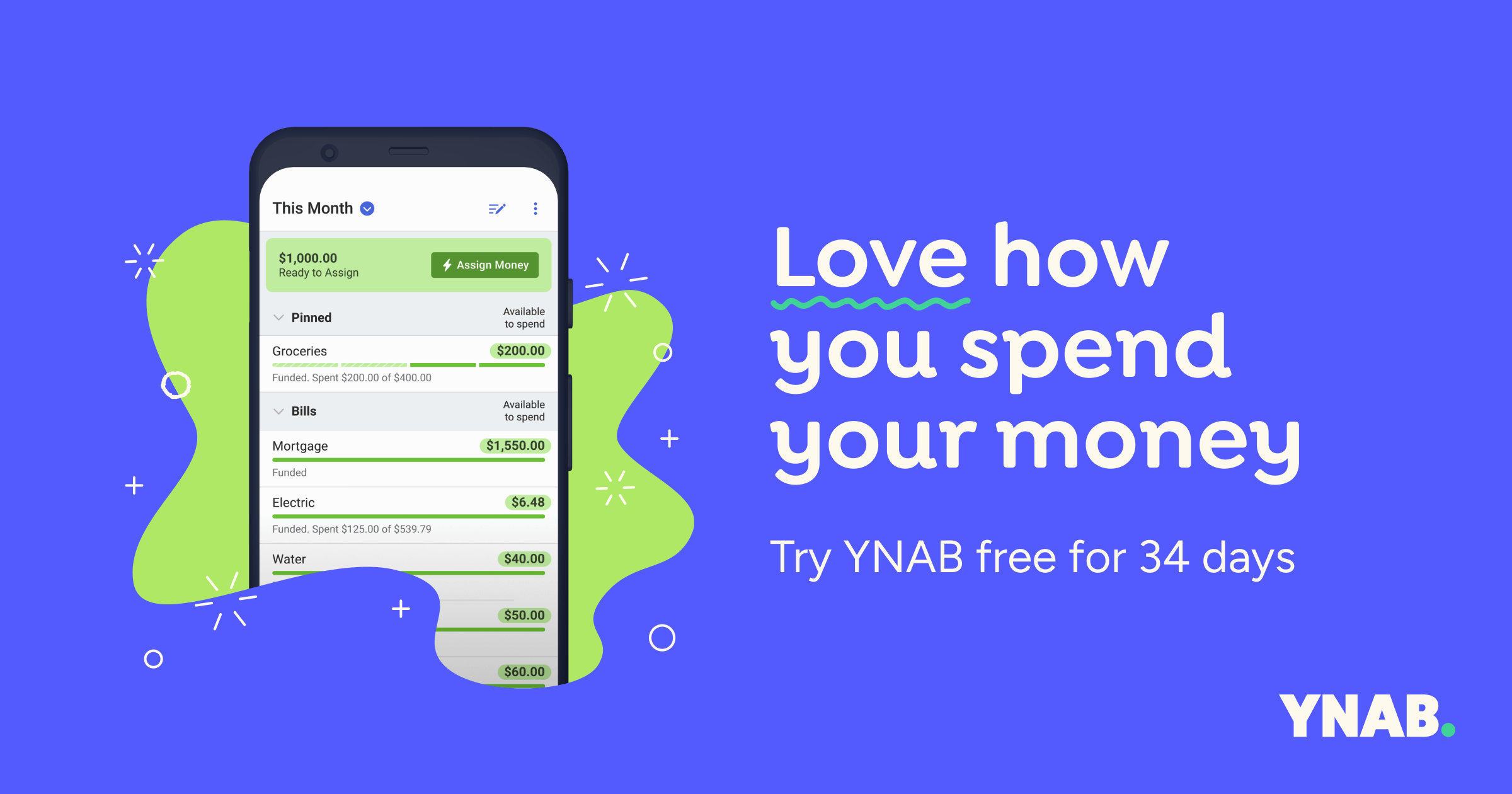
Gives every pound a job in digital pots and imports from select UK banks. About $14.99 a month, billed in dollars, with a 34-day free trial.
$14.99a month, US priceSee it at YNABAffiliate link -
Best for: Working out how much goes in each envelope
Work out your budget tool
By Citizens Advice
Free guidance that points you to MoneyHelper's planner, so the weekly figures come from real numbers, not guesses.
Affiliate link -
Best for: Finding the weekly figure for each envelope
MoneyHelper Budget planner
By MoneyHelper (Money and Pensions Service), sold by MoneyHelper
The free planner Citizens Advice points to: it adds up money in and out and shows what is left after bills. Divide the day-to-day part by the weeks in the month.
Affiliate link -
Best for: Envelope budgeting on your phone
Goodbudget
By Goodbudget
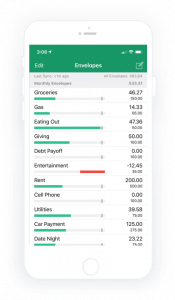
The same envelope method in an app for iPhone, Android and web. Free for 20 envelopes on one account; Premium is US$10 a month or US$80 a year, and UK spending is typed in by hand.
$10a month, US priceSee it at GoodbudgetAffiliate link

This is information, not financial advice. We only cover budgeting planners, envelopes, apps and free schemes.
Cash envelope budgeting is old-fashioned on purpose. A number in an app is easy to ignore; an empty envelope is not. For people who find money abstract until it is gone, making it physical again is the point.
How does cash envelope budgeting work?
You decide a weekly amount for each kind of day-to-day spending, take that total out in cash, and split it into labelled envelopes; when an envelope is empty, that category is done until next week.
The steps:
- Work out what you have. Use the free MoneyHelper budget planner to add up money in and money out. Citizens Advice suggests gathering bank statements, payslips, bills and receipts first.
- Leave the bills alone. Rent, energy, council tax and phone stay on direct debit or standing order. They are not envelope money.
- Choose three to five categories. The ones where money leaks: food top-ups, takeaways, spending money, children's extras.
- Set a weekly figure for each. Divide the monthly amount by the number of weeks.
- Pick one day. Take the cash out on the same day every week and fill the envelopes straight away.
- Spend only from the envelope. If the takeaway envelope is empty on Thursday, it is empty.
- Decide what happens to leftovers. Roll it over, or move it to a savings pot or jar.
What do you need to start cash envelope budgeting?
Envelopes and a pen; everything else is optional, though clear envelopes and a binder make it easier to keep going.
- Clear envelopes. See-through pockets show what is left at a glance. The Mlife binder set, under £10, has clear cash envelopes, budget sheets and label stickers in a ring binder.
- A planner with envelopes built in. Clever Fox's Budget Planner Pro is an undated 18 x 25cm book with cash envelopes, under £25. It keeps the plan and the cash in one place.
- A separate planner. Hem Studios' undated A5 planner, about £12, has 12 monthly spreads, 8 savings trackers and a year-end review. Pair it with any envelopes.
- Somewhere for coins. A counting jar, under £15, keeps a running total of loose UK coins, so leftover change becomes a visible number.
- Labels that stay put. Stickers or a marker. If the label falls off, the system falls apart.
| Product | Price | What you get | Best for | Drawback |
|---|---|---|---|---|
| Mlife Budget Binder Set | Usually under £10 | Ring binder, clear envelopes, budget sheets, labels | Starting cheaply | Planner pages are basic |
| Clever Fox Budget Planner Pro | Usually under £25 | Undated 18 x 25cm book with envelopes | Plan and cash together | Bulkier to carry |
| Hem Studios Budget Planner | Usually under £15 | Undated A5, monthly spreads, savings pages | Monthly overview | No envelopes |
| Digital Money Jar | Usually under £15 | Coin jar with running total | Leftover change | Coins only |
| YNAB | about $14.99 a month | Digital envelopes, UK bank import | No cash | Paid, in dollars |
| Goodbudget | Free, or US$10 a month | Digital envelopes, entered by hand in the UK | Envelopes on your phone | No UK bank sync |
Which spending should go in envelopes?
Spending you do in person that tends to run over: food top-up shops, takeaways, coffee, going out and personal spending money.
Categories that suit cash are frequent, flexible and easy to overspend. Categories that do not suit cash are fixed bills and things that are card-only, such as many car parks and some cafés. Fuel is a judgement call: if you always pay at the pump by card, keep it out of the envelopes.
Start small. Three envelopes you keep up beat eight you abandon by week two. Add one more once the first three feel automatic.
A spending money envelope, with no questions asked about what it is spent on, is not a luxury. It is what stops the other envelopes getting raided.
Cash or digital envelopes?
Cash makes the limit physical; digital envelopes follow you online, where much of the spending now happens.
If most of your leaking money goes on online shopping and delivery apps, cash in a drawer will not touch it. A digital version works the same way: YNAB asks you to give every pound a job in named categories before you spend it, and imports from select UK banks. It costs about $14.99 a month or $109 a year, billed in dollars, with a 34-day free trial. Goodbudget is the closer copy of the cash method: named envelopes on your phone, free for 20 envelopes, with UK spending typed in because its bank sync covers US banks only.
Many UK bank apps also let you split your balance into separate pots, which is a free, basic version of the same idea. A hybrid works well for many people: cash envelopes for in-person spending, and a separate pot or YNAB category for everything online.
Things to know
- Information, not financial advice. For help with your own situation, Citizens Advice and MoneyHelper are free.
- Cash at home. Keep the envelopes somewhere sensible and carry only the one you need that day.
- Cash and gambling. Bank card gambling blocks do not stop cash. If cash is going on gambling, see our guide to blocking gambling for self-exclusion from betting shops.
- Card-only places. Some shops, car parks and cafés no longer take cash. Keep a small card-based buffer for those.
- We have not tested these products. Details come from the retailers' listings, checked on 11 Sep 2026. We could not load the full Amazon listings, so check sizes and envelope counts before you buy.
Questions people ask
- How many envelopes should I start with?
- Three to five. Pick the categories where money leaks, such as food top-ups, takeaways and spending money, and leave the rest alone until the habit sticks.
- Should bills go in cash envelopes?
- No. Keep rent, energy, phone and other fixed bills on direct debit or standing order, so they are paid whether or not you remember. Envelopes are for day-to-day spending.
- What do I do with money left in an envelope?
- Decide once and stick to it: roll it into next week's envelope, or move it to a savings pot or coin jar. Either way, it is proof the plan worked.
- Can you do envelope budgeting without cash?
- Yes. YNAB is built on the same idea, giving every pound a job in digital categories, and many bank apps let you split money into separate pots.
- How do I work out how much to put in each envelope?
- Use the free MoneyHelper budget planner to see what is left after bills, then divide the day-to-day part by the weeks in the month. Citizens Advice links to it.