AdThis guide contains affiliate links. If you buy through one, we may earn a commission. It never decides what we pick.
Ear defenders for kids: school halls, fireworks and parties
Last checked 11 September 2026. Written by the Divergent Products team. How we pick.

What are the best ear defenders for kids?
The best ear defenders for kids aged 5 to 16 are the Alpine Muffy Kids: about £19.99, around 100g, and rated by Alpine to cut sound by up to 25dB. Snug Kids, under £15, adjust from 6 months up and are cheap enough to keep a spare pair at school. Older teenagers can move to adult defenders.
Our picks
-
Best for: Everyday use from age 5 to 16
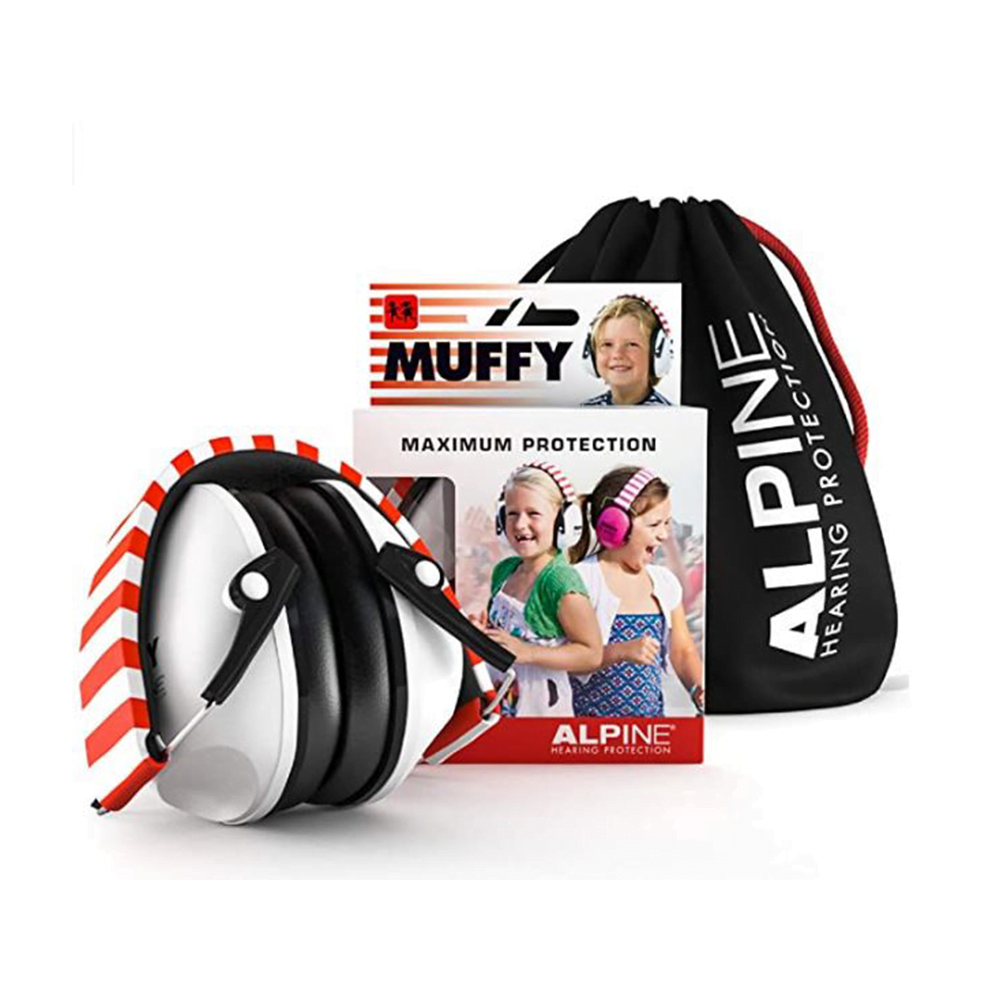
Muffy Kids Ear Defenders
By Alpine, sold by Hearing Aid Accessories
Alpine says they cut sound by up to 25dB and weigh 100g, with an adjustable band and three colours. About £19.99. The retailer page gives no SNR figure or EN 352 standard, so we cannot compare them like for like.
Affiliate link -
Best for: A cheap spare for school or a toddler
Snug Kids Ear Defenders
By Snug, sold by Amazon
under £15, padded, foldable and 180g, and the listing says the band adjusts from 6 months to adult. The Amazon listing does not state an SNR rating, which is the main thing we would want to know.
See priceat AmazonSee it at AmazonAffiliate link -
Best for: Teenagers of 16 and over who want plain black-and-green
Vanderfields Adult Ear Defenders (Army Green)
By Vanderfields, sold by Amazon
under £15. The listing states 30dB SNR and says the band fits adults and teenagers 16 and older, so it is the step up once a child outgrows kids' sizes.
See priceat AmazonSee it at AmazonAffiliate link -
Best for: Older teens at fireworks or motorsport
3M Peltor X4A Ear Defenders
By 3M, sold by Amazon
SNR 33dB, tested to EN 352:2020, under £50. The listing says 3M designs and sells it for workplace use, not consumers, and it is heavier and stronger than most children need.
See priceat AmazonSee it at AmazonAffiliate link -
Best for: Children who won't keep a headband on
Pluggies Kids Earplugs
By Alpine, sold by Alpine Hearing Protection
Soft earplugs for ages 3 to 12, about £11.95 for one pair with a case. Alpine states 26dB and CE and ANSI testing but gives no single SNR figure, and earplugs are easier to lose than defenders.
Affiliate link

What should you look for in kids' ear defenders?
Look for a stated noise reduction of around 20 to 30dB, a band that fits your child's head now and adjusts as they grow, and a weight light enough that they will keep them on. These are the specs that matter.
- Noise reduction in dB. In the UK and Europe the standard figure is the SNR, a single number rating in decibels. The HSE says hearing protectors are chosen on this SNR value. Children's models usually quote around 25dB. Some listings give a figure at one frequency instead, which looks higher and is not the same thing.
- Not too much. The HSE warns that protectors which bring the level at the ear below 70dB should be avoided at work, because over-protection makes it hard to hear speech and warnings. The same logic applies in a classroom: your child still needs to hear the teacher.
- Age range and fit. Alpine Muffy Kids are sized for 5 to 16. The Snug Kids listing says its band adjusts from 6 months to adult. The cups should cover the whole ear with no gap.
- Weight in grams. Alpine Muffy Kids weigh 100g, Snug Kids 180g and the adult 3M Peltor X4A about 234g. Lighter is easier on a small head over a long assembly or a fireworks display.
- Standard. EN 352 is the European standard for hearing protectors. The 3M X4A states it; the children's listings we read do not. NRR, which you will see on American products, is a different rating.
- Looks and choice. A child who chose the colour is more likely to wear them. Alpine Muffy Kids come in red, blue or pink with white; Snug Kids come in several colours.
Kids' ear defenders compared
| Model | Price | Stated reduction | Age | Weight | Drawback |
|---|---|---|---|---|---|
| Alpine Muffy Kids | About £19.99 | Up to 25dB | 5 to 16 | 100g | No SNR or EN 352 on the retailer page |
| Snug Kids | Usually under £15 | Not stated on listing | 6 months to adult, per listing | 180g | No rating shown |
| Vanderfields Adult/Teens | Usually under £15 | 30dB SNR, per listing | 16 and over | Not stated | Adult sizing |
| 3M Peltor X4A | Usually under £50 | SNR 33dB, EN 352:2020 | Adult | About 234g | Sold for workplace use |
If your child will not wear anything over their head, Alpine Pluggies Kids are soft earplugs for ages 3 to 12, about £11.95, with 26dB stated by Alpine rather than an SNR.
How much protection do school halls, fireworks and parties need?
Pick for the loudest place your child actually goes, then check they can still hear someone speaking next to them. A children's defender at around 25dB covers most school halls, soft plays and parties. Fireworks displays and motorsport are where a teenager might want an adult pair at 30dB or more.
Time matters as much as volume. The World Health Organization says 80dB is safe for up to 40 hours a week, but at 90dB the safe time drops to four hours a week. A short, very loud moment and a long, loud afternoon are different problems, and ear defenders help with both. The NHS advises wearing ear protection when exposed to loud noises.
For a child who finds noise hard rather than dangerous, protection level is only part of it. Comfort, how quickly they go on and off, and whether other children comment on them all decide whether they get used.
Should children wear ear defenders all the time?
Use them for the loud parts of the day rather than all day. The National Autistic Society lists ear defenders and noise-cancelling headphones among items autistic people have found useful, and adds that using them a lot may increase sensitivity over time. That is a reason to plan when they come out, not a reason to go without.
A few ways families handle it:
- Agree the situations. Assembly, the dinner hall, fireworks, the hand dryer. Your child knows when to reach for them and can say when they need them.
- Keep them where they are needed. A named pair in the school bag and a second pair at home is cheaper than a search every morning. Snug Kids at under £15 make a sensible spare.
- Let your child lead. Some children want them on early; some only at the loudest moment. Either is fine.
Things to know
- We have not tested these. Reductions, ages and weights come from the retailer and maker listings on 11 September 2026. Where a listing does not state an SNR or a standard, we say so rather than guess.
- Adult defenders on teenagers. The Vanderfields listing says it fits from 16. The 3M listing says the X4A is designed and packaged for industrial and professional customers, not for consumer use. Both will be heavier and stronger than a younger child needs.
- Fit breaks the seal. Glasses arms, hair bobbles and hoods under the cups let sound in. Check the cups sit flat against the head.
- Worn cushions leak. Cracked or flattened ear cushions stop the cups sealing against the head. If the padding splits, replace the cushions or the pair.
- Label them. Write your child's name inside the headband. School lost property is full of identical pairs.
- Babies. Nothing we list is sold specifically for babies. If you need one, choose a model marketed for babies and follow the maker's age range.
- Hearing worries. If you are concerned about your child's hearing, speak to your GP or health visitor. Ear defenders protect hearing; they do not test it.
Questions people ask
- What SNR should kids' ear defenders have?
- Children's ear defenders usually quote around 25dB of reduction, and that is enough for most school halls and parties. Higher is not automatically better: the HSE warns that protection which brings sound at the ear below 70dB can make it hard to hear speech and warnings.
- Can a baby wear ear defenders?
- The Snug Kids listing says its band adjusts from 6 months. Alpine Muffy Kids start at age 5. For a baby, look for a model sold specifically for babies and check the maker's stated age range before buying.
- Are ear defenders or earplugs better for children?
- Ear defenders are easier to put on and take off and harder to lose. Earplugs such as Alpine Pluggies Kids (ages 3 to 12) or Loop Engage Kids 2 (ages 6 to 12, SNR 16dB) are smaller and less visible, which some older children prefer.
- What does NRR mean on ear defenders?
- NRR is the US Noise Reduction Rating. It is measured differently from the SNR used in the UK and Europe, so an NRR of 26 and an SNR of 26 are not the same thing.
- Can my child wear ear defenders at school?
- Ask the school. Most will agree if you explain when they are needed; a named case and a note to the class teacher saves your child being asked to take them off in assembly.
Sources
- HSE: Hearing protection
- National Autistic Society: Sensory differences
- World Health Organization: Safe listening
- NHS: Hearing loss
- Hearing Aid Accessories UK: Alpine Muffy Kids
- Amazon UK: Snug Kids Ear Defenders (listing details)
- Amazon UK: Vanderfields Adult/Teens Ear Defenders (listing details)
- Amazon UK: 3M PELTOR X4A (listing details)
- The Safety Supply Company: 3M PELTOR X4A specification
- Hearing Aid Accessories UK: Alpine Pluggies Kids
- Alpine Hearing Protection UK: Pluggies Kids
- Loop: Engage Kids 2