AdThis guide contains affiliate links. If you buy through one, we may earn a commission. It never decides what we pick.
Sunflower lanyard: who can wear one, what it costs and where it's recognised
Last checked 11 September 2026. Written by the Divergent Products team. How we pick.

Who can wear a sunflower lanyard?
Anyone with a non-visible disability who feels it would help can wear a Hidden Disabilities Sunflower lanyard: there is no qualifying list and you do not need proof. It tells staff you may need more help or time. Many member organisations hand them out free, or the lanyard with ID card is about £6 from hdsunflower.com.
Our picks
-
Best for: Your own official lanyard and ID card
Triple Breakaway Lanyard with ID Card & Cover
By Hidden Disabilities Sunflower, sold by Hidden Disabilities Sunflower
The official triple breakaway lanyard with a waterproof Sunflower ID card and cover, about £6 from hdsunflower.com. Many member venues give lanyards away free, so ask before you buy.
Affiliate link -
Best for: Asking for a minute without having to explain
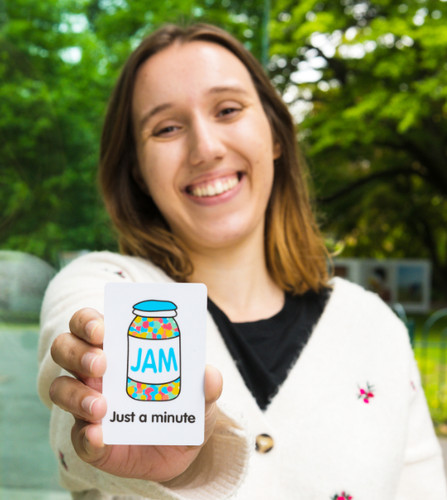
JAM Card (card and app)
By JAM Card, sold by JAM Card
A free card and app from NOW Group that asks people for a little patience, no diagnosis needed. It is recognised by JAM Card Friendly businesses, a separate list from Sunflower members.
Affiliate link -
Best for: A third off rail fares, if you qualify
Disabled Persons Railcard
By National Rail, sold by Railcard
£20 a year or £54 for three years, with a third off for you and one adult companion. Unlike the Sunflower, it has set eligibility rules and needs proof.
£20a yearSee it at RailcardAffiliate link -
Best for: A free companion ticket at the cinema
CEA Card (cinema companion card)
By CEA Card, sold by CEA Card
£6.50 a year, and someone can come with you free when you buy a full-price ticket at participating cinemas. You need a qualifying benefit, sight impairment registration or an individual assessment.
£6.50a yearSee it at CEA CardAffiliate link -
Best for: Booking help at the station before you travel
Passenger Assistance
By Transreport, sold by App Store
A free app from Transreport for booking rail assistance: record your access needs once, then request help for a journey and it goes to each train company involved. The lanyard gets you noticed; this gets staff expecting you.
Affiliate link



The green lanyard with yellow sunflowers is now familiar in UK stations, airports and supermarkets. It started at Gatwick in 2016, according to Hidden Disabilities Sunflower, and thousands of businesses have joined since. It is simple, and that is the point: it tells people something about you without you having to say it.
What does the sunflower lanyard mean?
The sunflower lanyard means the wearer has a non-visible disability and may need more help, understanding or time. Hidden Disabilities Sunflower describes it as a way to show this discreetly to staff, colleagues and health professionals.
What it does not mean matters just as much. The scheme is explicit that the Sunflower does not entitle you to anything beyond identifying that you have a hidden disability. It is not a fast-track pass or a ticket to priority boarding. What happens next depends on the person who sees it and the training their employer has given them.
Who can wear a sunflower lanyard?
Anyone with a non-visible disability who feels it would help can wear one. There is no qualifying list of conditions, and you do not need proof or a diagnosis. The scheme says it does not ask for proof because some people are yet to be diagnosed, or have conditions that are hard to diagnose.
That can include autism, ADHD, dyslexia, sensory differences, chronic pain, hearing loss and mental health conditions, among many others. The deciding question is not "am I disabled enough?" but "would it help if staff knew I might need more time?"
You also do not have to explain yourself when wearing it. The scheme calls it a personal and voluntary choice. If a member of staff asks how they can help, you can tell them as much or as little as you like.
Where is the sunflower lanyard recognised?
The sunflower lanyard is recognised by organisations that have joined Hidden Disabilities Sunflower as members, and the scheme says only members count as Sunflower-friendly. The scheme says members range across retail, travel, tourism and transport, among other sectors.
Two places where recognition is solid:
- Trains. National Rail says every train company in Britain accepts the Sunflower lanyard and card.
- Airports. The Civil Aviation Authority says airport assisted travel desks can provide lanyards or badges to people with hidden disabilities, and that these are optional.
Elsewhere, it depends. A supermarket chain may be a member; the corner shop almost certainly is not. Staff turnover means even a member venue can have someone on shift who has not been trained. The lanyard opens a door. It does not guarantee what is behind it.
Where can you get a sunflower lanyard for free?
You can get a sunflower lanyard free from many member businesses and organisations, which agree to give them to customers at no charge. Ask at the customer service desk or the assistance point.
If you would rather have your own, the official UK shop sells a triple breakaway lanyard with a waterproof Sunflower ID card and cover for about £6. The breakaway design comes apart if it is pulled, which matters on busy platforms and for children. The shop also sells condition-specific cards, including an ADHD one.
Buy from the official site or its registered stores. The scheme says its products are not for resale and that only the official design is quickly recognised; lookalike sunflower lanyards may not be.
Sunflower lanyard, JAM Card or something else?
The sunflower lanyard is the easiest to get and the most widely seen; the others do different jobs. You can use more than one.
| Scheme | Cost | Proof needed | What it does | Recognised by |
|---|---|---|---|---|
| Hidden Disabilities Sunflower | free from members, or about £6 | None | Signals you may need more help or time | Member organisations; every train company in Britain |
| JAM Card | free card or app | No diagnosis; the form asks why you need it | Asks for "just a minute" of patience | JAM Card Friendly businesses |
| CEA Card | £6.50 a year | Qualifying benefit, sight impairment registration or individual assessment | Free ticket for one companion at participating cinemas | Participating cinemas |
| Disabled Persons Railcard | £20 a year or £54 for three years | Yes, from a set list | A third off rail fares for you and one adult companion | National Rail network |
We cover the eligibility details in our guides to the JAM Card and CEA Card and to the Disabled Persons Railcard.
Using it when you travel
The lanyard works best alongside booked help, not instead of it. On trains, National Rail's Passenger Assist lets you book help up to two hours before your journey, in the free Passenger Assistance app or online, including help with a non-visible impairment, or you can turn up and ask staff. For flights, the Civil Aviation Authority says to request assistance when you book or at least 48 hours before departure, through your airline or travel agent. Assistance is free.
Wearing the lanyard as well means staff at the station or gate can spot you, and the people who did not see your booking still get the message.
Things to know
- It is a signal, not a right. Staff are not obliged to do anything specific because you are wearing it. Booked assistance, and in work settings reasonable adjustments, are where your rights sit.
- Recognition varies. Only member organisations are Sunflower-friendly. Check a venue's website, or the member list on hdsunflower.com, before you rely on it.
- You choose when to wear it. Some people wear it only for travel or busy places. You can take it off whenever you like.
- Privacy. The scheme asks for no proof and no details. The official ID card says only that you have a hidden disability and may need help, understanding or more time.
- Checked on 11 September 2026. Prices and wording come from the official Hidden Disabilities Sunflower, National Rail and CAA pages on that date.
Questions people ask
- Can I wear a sunflower lanyard if I have ADHD or I'm autistic?
- Yes, if you feel it would help. Hidden Disabilities Sunflower has no qualifying list of conditions, and its UK shop sells an ADHD ID card alongside the general Sunflower card.
- Does a sunflower lanyard let you skip queues?
- No. Hidden Disabilities Sunflower says the Sunflower does not entitle you to anything other than identifying that you have a hidden disability. Some venues offer extra help to wearers, but that is their choice, not a right.
- Do I have to tell staff why I'm wearing it?
- No. The scheme says wearing it is a personal and voluntary choice and you do not need to explain why. Tell staff what would help, if anything, such as more time or clearer directions.
- Can children wear a sunflower lanyard?
- Yes, there is no qualifying list. For children, a breakaway lanyard, which comes apart if it is pulled hard, is the sensible choice.
- Is the sunflower lanyard recognised abroad?
- The scheme runs sites for several countries, including the US, Canada, Australia, Ireland and the UAE, and describes a global network of members. Recognition depends on the venue being a member, so check the airport or attraction before you travel.
- Can I buy a sunflower lanyard on Amazon?
- The scheme says only the official design is quickly recognised and that its products are not for resale by individuals or businesses. Buy from hdsunflower.com or its registered stores, or ask a member venue for a free one.
Sources
- Hidden Disabilities Sunflower: For you
- Hidden Disabilities Sunflower: Do I need to prove I have a non-visible disability or condition to wear the Sunflower?
- Hidden Disabilities Sunflower: In facts
- Hidden Disabilities Sunflower: Triple Breakaway Lanyard with ID Card and Cover
- National Rail: Accessible train travel and facilities
- National Rail: Passenger Assist
- App Store (UK): Passenger Assistance
- UK Civil Aviation Authority: How to access help and support
- JAM Card: FAQs
- Disabled Persons Railcard
- CEA Card: FAQ