AdThis guide contains affiliate links. If you buy through one, we may earn a commission. It never decides what we pick.
EHCP guide for England: how Education, Health and Care plans work
Last checked 20 October 2026. Written by the Divergent Products team. How we pick.

How does an EHCP work in the UK?
This EHCP guide covers England only. An Education, Health and Care plan is a legal document for children and young people up to 25 who need more help than ordinary SEN support. Parents can ask the council to assess, the council has 20 weeks to issue a final plan, and refusals can be appealed to the SEND Tribunal.
Our picks
-
Best for: Walking through the whole EHCP process
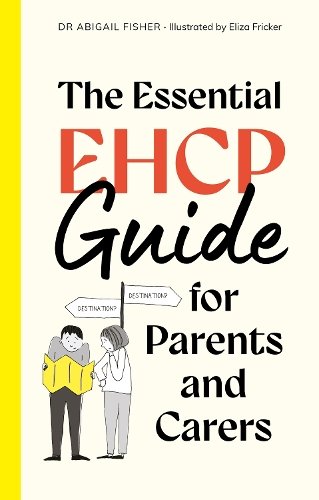
The Essential EHCP Guide for Parents and Carers
By Dr Abigail Fisher and Eliza Fricker (Jessica Kingsley Publishers), sold by Bookshop.org
Dr Abigail Fisher and Eliza Fricker cover applying, mediation, timelines, template letters and evidence forms, with parents' stories. About £18.99, 208 pages, published January 2026. The publisher's page showed it awaiting stock when we looked.
£18.99See it at Bookshop.orgAffiliate link -
Best for: Seeing the system through one family's story
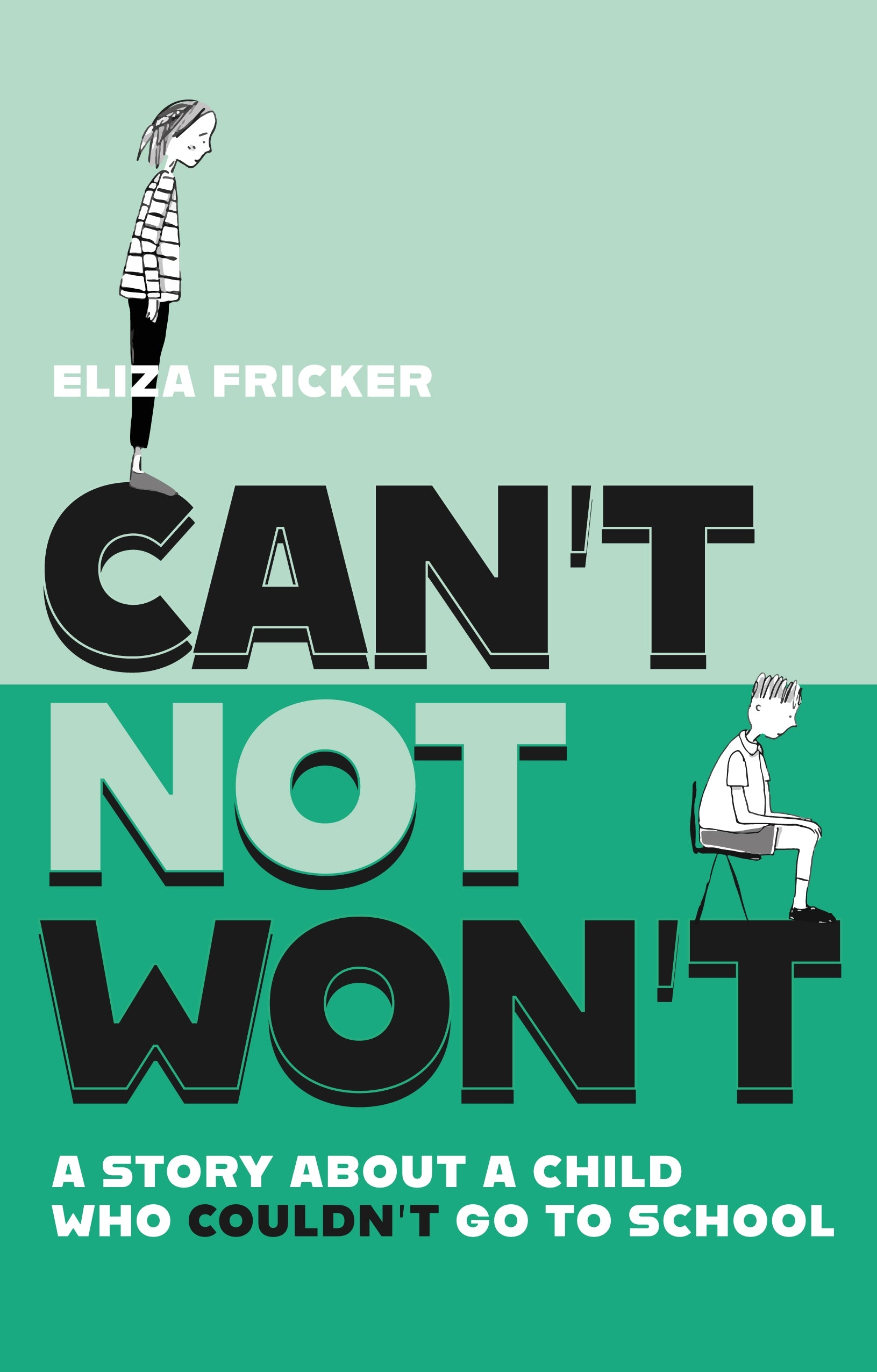
Can't Not Won't
By Eliza Fricker (Jessica Kingsley Publishers), sold by Jessica Kingsley Publishers
An illustrated account of a family living through school avoidance and the search for support. About £14.99. It is a story with guidance, not a step-by-step process book.
Affiliate link -
Best for: Family life when demands are the flashpoint
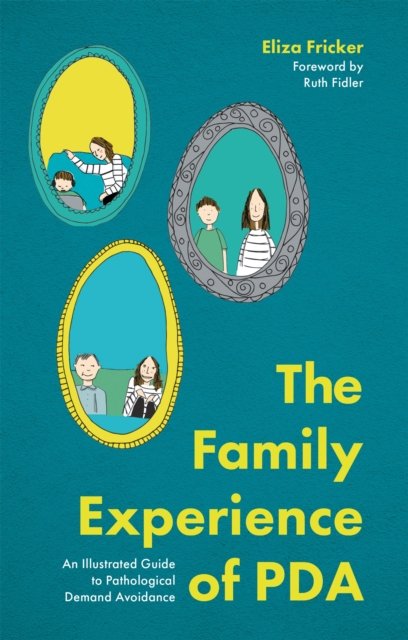
The Family Experience of PDA
By Eliza Fricker (Jessica Kingsley Publishers), sold by Bookshop.org
Eliza Fricker's illustrated guide to living with a child who has a PDA profile, 144 pages. About £14.99. It is about home life, not the EHCP process itself.
£14.99See it at Bookshop.orgAffiliate link -
Best for: When school is not working at all
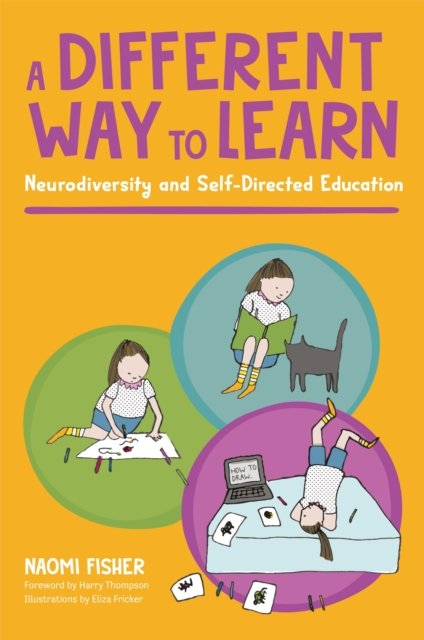
A Different Way to Learn
By Naomi Fisher (Jessica Kingsley Publishers), sold by Bookshop.org
Clinical psychologist Naomi Fisher on self-directed education for neurodivergent children, with interviews with families. About £16.99. It questions the school route rather than explaining plans.
£16.99See it at Bookshop.orgAffiliate link
Who is this EHCP guide for, and where does it apply?
It is for parents and carers in England, and for young people up to 25 who want to understand their own plan. Scotland, Wales and Northern Ireland have different systems. GOV.UK says the process is different in each and links to separate guidance, so if you live there, start from those pages.
This is general information, not legal advice. We are a shop, not a law firm, and we have read the official pages listed below on 20 October 2026. If your case is contested, speak to your local Information, Advice and Support (IAS) service, which GOV.UK points to for advice about SEND, or to a specialist charity such as IPSEA.
What is an EHC plan?
An Education, Health and Care plan is a legal document that sets out a child's needs and the extra support to meet them. GOV.UK describes it as for children and young people up to 25 who need more support than is available through special educational needs support, and says it identifies educational, health and social needs.
Most children with special educational needs get help from their school without a plan. A plan is for needs that school-level support cannot meet. The SEND code of practice, the statutory guidance for England, is for bodies including schools, colleges, local authorities and health bodies.
Who can ask for an EHC assessment?
Parents can ask their local authority, and young people aged 16 to 25 can ask for themselves. GOV.UK also lists doctors, health visitors, teachers and family friends as people who may make a request if they think an assessment may be necessary.
The authority may ask for school reports, doctors' assessments and a letter from you. Keep copies of everything you send and the date you sent it, because the timeline below runs from the date the council receives the request.
What is the EHCP timeline?
The council has 20 weeks from receiving your request to issue the final plan. Here is how the GOV.UK pages and the SEND Regulations 2014 break that down.
| Point | What should happen | Source |
|---|---|---|
| Week 0 | The council receives your request | GOV.UK |
| Within 6 weeks | If the council decides a plan is not necessary, it must tell you as soon as practicable and within 6 weeks of the request | Regulation 4 |
| Within 16 weeks | The council tells you whether it will make a plan | GOV.UK |
| After the draft arrives | You have at least 15 days to comment, including to ask for a specialist school or college | GOV.UK |
| Within 20 weeks | The council gives you the final plan | GOV.UK |
Councils work to these dates differently in practice. We did not review the exceptions that can extend the 20 weeks, so check your council's local offer page or ask IPSEA or your IAS service if yours is running late.
What does an EHCP contain?
A plan needs separately labelled sections. Regulation 12 of the SEND Regulations 2014 sets them out:
- A: the views, interests and aspirations of the child and parents, or the young person
- B: special educational needs
- C: health care needs related to those special educational needs
- D: social care needs related to special educational needs or a disability
- E: the outcomes sought
- F: the special educational provision required
- G: health care provision reasonably required
- H1 and H2: social care provision
- I: the name of the school, nursery, post-16 institution or other place to be attended
- J: where provision is to be secured by a direct payment
- K: the advice and information gathered during assessment, set out in appendices
Section F, the provision, and section I, the placement, are where many disagreements start. GOV.UK says the draft stage is the time to comment on both.
Can you appeal an EHCP decision?
Yes, to the SEND Tribunal. GOV.UK says you can appeal if the council:
- refuses to carry out an EHC assessment or reassessment
- refuses to create a plan after an assessment
- refuses to change the education sections of an existing plan (B, F and I)
- decides the child no longer needs a plan
- or you disagree with the plan itself
In most cases you must consider mediation first. GOV.UK says that if you do not want mediation you still need to contact the mediation service to get a certificate, and without one you must tell the Tribunal why. The only exception it names is an appeal solely about which school or institution is named in section I.
The Tribunal must receive your appeal within 2 months of the date on the council's decision letter, or within a month of the date on the mediation certificate, whichever is later. A parent appeals on behalf of a child under school leaving age. GOV.UK says the hearing is by video link or at a venue within 2 hours of your home, and that you do not have to attend.
Is the EHCP system changing?
Reform is proposed, not law, as far as the pages we read show. On 23 February 2026 the government published a schools white paper, Every child achieving and thriving. GOV.UK says EHCPs "will be retained and improved", and that for mainstream children best supported through the proposed individual support plans, transition will only begin from 2030. The page does not say legislation has passed.
Today's rules still apply. If you are about to start a request, nothing we read suggests waiting.
Which books help with the EHCP process?
The Essential EHCP Guide for Parents and Carers is the one that follows the process itself. Fisher is described by the publisher as an educational psychologist and teacher, and Fricker as an author and illustrator. It covers applying, mediation and implementing a plan, with timelines, template letters and forms for gathering evidence.
Can't Not Won't and The Family Experience of PDA are Fricker's family-side books, useful for the weeks when the paperwork is the smaller part of the problem. A Different Way to Learn is for families who have started to question whether school is the route at all. None of them replaces the GOV.UK pages or advice on your own case. Our books for parents of ADHD and autistic children guide covers the wider shelf.
Things to know
- General information only. Nothing here is legal advice. Dates and rules are from GOV.UK and legislation.gov.uk pages read on 20 October 2026.
- Council practice varies. The statutory dates are the floor you can point to. How your council runs the process is set out on its local offer page.
- We have not read the books in full. Our notes come from the publisher's page and our shop data. Prices are from our data and move.
- Your child's voice matters. Section A is where their views and aspirations go. If they are old enough, ask them before you write it.
- Recheck before acting. Reform is under way, so look at GOV.UK for the current position before you rely on any date here.
Questions people ask
- Can a school or doctor ask for an EHC assessment, or only parents?
- Others can too. GOV.UK lists doctors, health visitors, teachers, parents and family friends as people who can ask the council to assess if they think it may be needed. Parents usually lead, because the plan is about their child.
- Can my teenager ask for one themselves?
- Yes. GOV.UK says a young person aged 16 to 25 can request an assessment themselves.
- Do I need a diagnosis before asking?
- The GOV.UK guidance describes an EHC plan as being for children who need more support than SEN support, and it does not mention a diagnosis as a condition of asking. If you are unsure, your local Information, Advice and Support (IAS) service can tell you what your council expects.
- Do I need a lawyer for a SEND Tribunal appeal?
- No. GOV.UK says you can present your own case, and refers to a legal representative only if you have one. IPSEA says it runs free helplines offering independent legal information and advice.
- How quickly does the Tribunal decide?
- GOV.UK says you will usually get the decision by letter or email within 10 working days of the hearing. After you appeal, it says the Tribunal responds within 25 working days to say whether there will be a hearing.
- Is it the same in Scotland, Wales or Northern Ireland?
- No. GOV.UK says the process is different in each, and links to separate guidance. EHC plans, as described here, are the English system.
The Friday Find
One good find a week, by email, with the bit the listing leaves out.
Sources
- GOV.UK: Children with special educational needs and disabilities (SEND): extra SEN help
- GOV.UK: Children with special educational needs and disabilities (SEND): where to find information and advice
- GOV.UK: Appeal against an EHC plan decision
- GOV.UK: Appeal against an EHC plan decision, before you appeal
- GOV.UK: Appeal against an EHC plan decision, appeal as a parent
- GOV.UK: Appeal against an EHC plan decision, what happens at the hearing
- GOV.UK: SEND code of practice, 0 to 25 years
- legislation.gov.uk: SEND Regulations 2014, regulation 4
- legislation.gov.uk: SEND Regulations 2014, regulation 12
- GOV.UK: Radical expansion in rights for children with SEND (23 February 2026)
- IPSEA: Independent Provider of Special Education Advice
- Jessica Kingsley Publishers: The Essential EHCP Guide for Parents and Carers